




1958
Herci and Myles Marsden’s Vision
Herci and Myles Marsden, whose individual expertise and shared vision laid the foundation for the school's enduring legacy, established the Brae Crest School of Ballet in 1958.
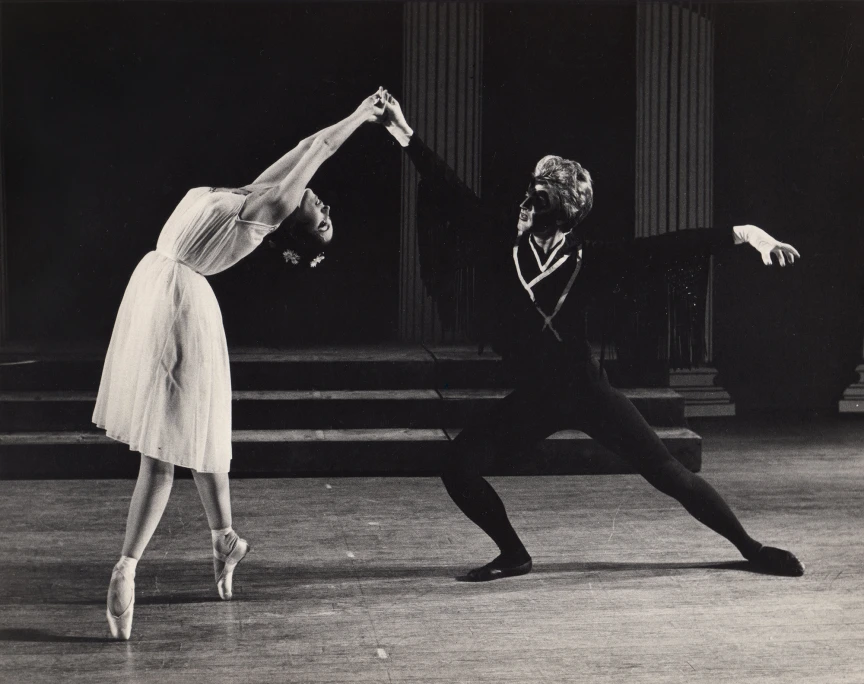
Prima ballerina Herci Marsden brought her experience from Split, Croatia, having danced in the Yugoslav National Theater. Myles Marsden received extensive international training, including acceptance to the renowned Legat School in England and the International Ballet School in Yugoslavia, where he became the first American graduate and rose to the position of premier danseur with the Yugoslav National Ballet.
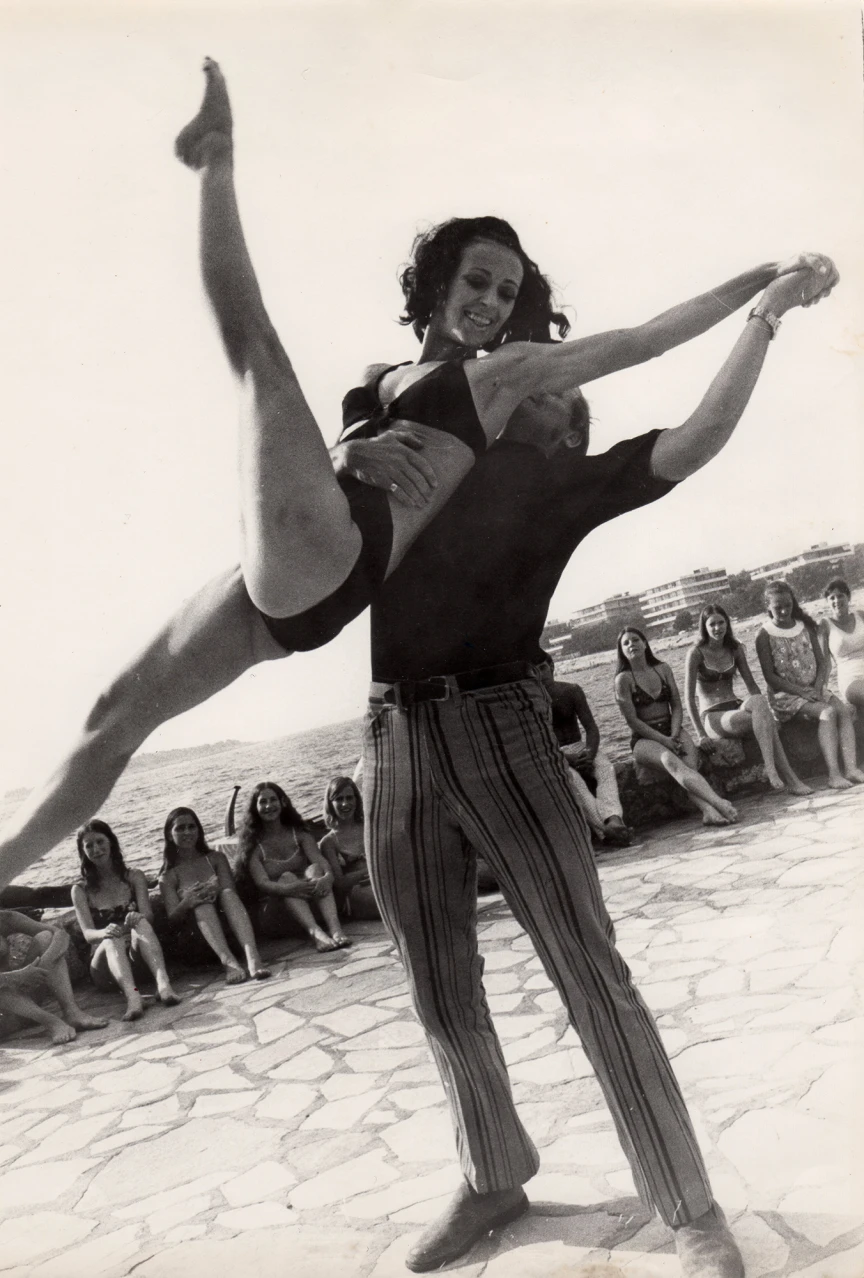
Brae Crest Homecoming
Herci and Myles Marsden, with their baby daughter, Ana, returned to America and devoted themselves to teaching rather than performing with major dance companies. The primary motivation behind the establishment of the Brae Crest School of Ballet was the Marsden family's desire to impart the traditions and techniques of Russian-style classical ballet to students in the United States.
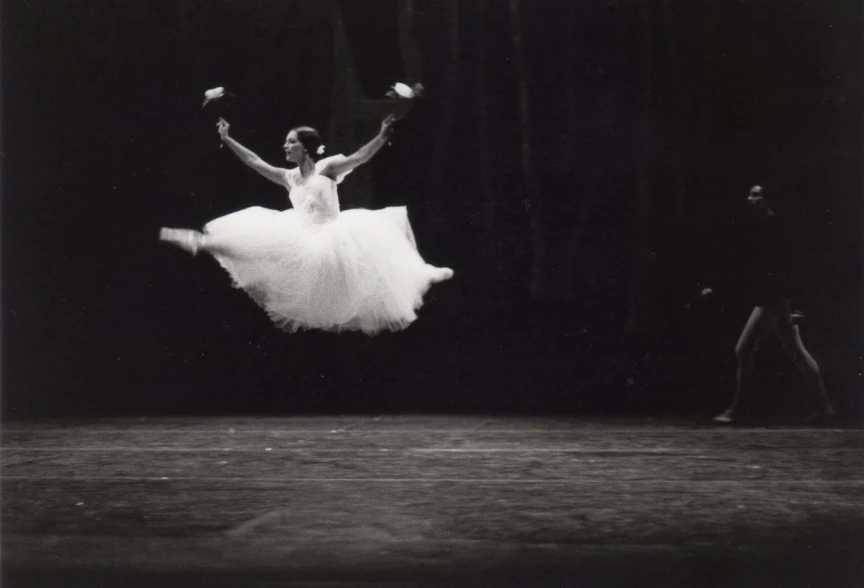
The school found its first home in Lincoln, Rhode Island, on the Marsden family's own property. This location provided an intimate, dedicated space for the early development of the school and its students. From its earliest days, the Brae Crest School of Ballet cultivated a reputation for upholding the highest standards in ballet education, and this commitment to excellence was instrumental in attracting serious dance students and establishing the school as a leading institution in the region.
1960
A Civic Regional Ballet Company
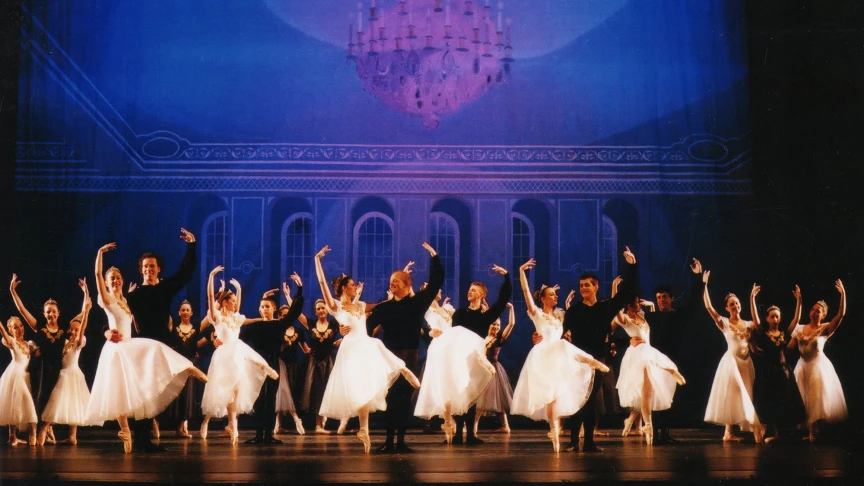
The establishment of the State Ballet of Rhode Island only two years after the school was founded marked a significant step in the development of ballet as a performing art within the state.
Herci and Myles Marsden were the driving forces behind this initiative, joined by a group of sixty enthusiastic Rhode Islanders who shared their vision. Their aim was to create a civic regional ballet company, an organization that would not only showcase the art of classical ballet, but also serve the cultural needs of the community and provide opportunities for local artists.
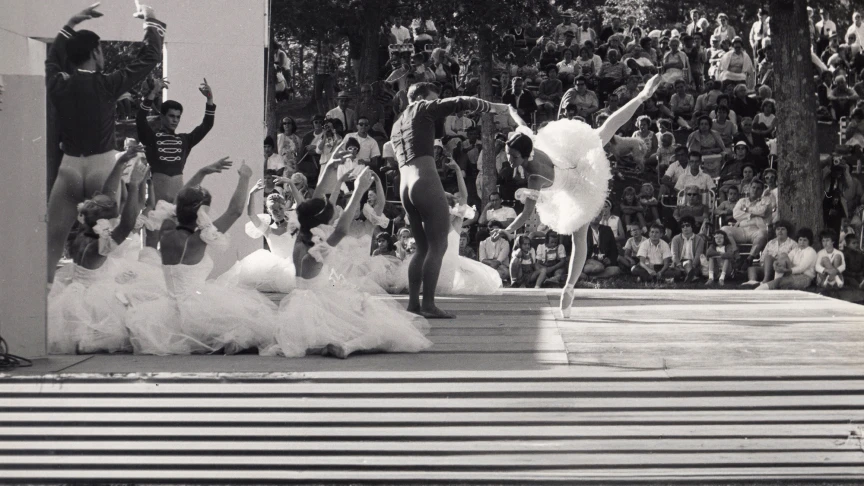
The State Ballet of Rhode Island presented its premiere performance on November 19, 1960, at the Veterans Memorial Auditorium, to reach a broad audience. This inaugural performance marked the official public debut and entry into the Rhode Island arts scene.
The early years of the State Ballet of Rhode Island were characterized by drawing upon the talents of various artistic disciplines. Composers, musicians, writers, painters, lighting technicians, costume designers, and choreographers all contributed to the productions, highlighting the essential roles played by different artistic elements in creating a vibrant and compelling performance.
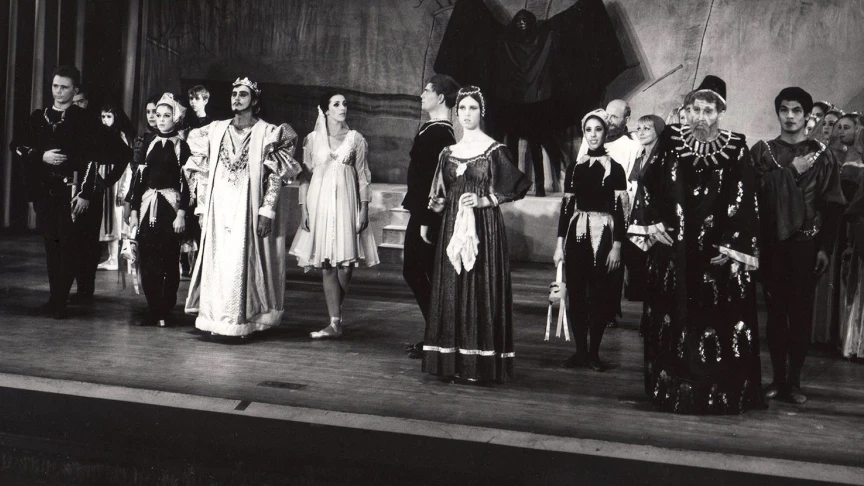
Key Leaders and Dancers
Herci Marsden
Founding Prima Ballerina and Artistic Director
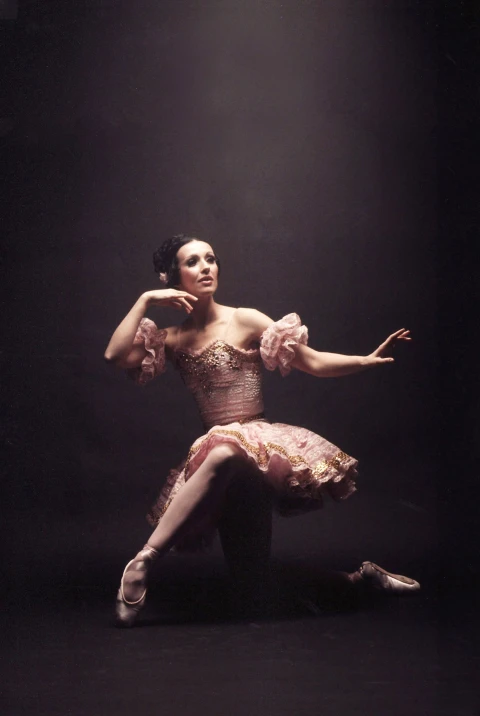
Herci Marsden stands as a pivotal figure in the history of both the Brae Crest School of Ballet and the State Ballet of Rhode Island. Her journey began in Omis, near Split, Croatia, where she commenced dance training at the age of five. By thirteen, she made her professional debut with the National Theater in Split, showcasing her early talent and dedication to the art form. As a Prima Ballerina, she made her American debut in 1960 with the newly established State Ballet of Rhode Island.
Since 1976, Ms. Marsden has held the position of artistic director for the State Ballet of Rhode Island. Her decades of leadership have provided a consistent artistic vision and ensured the stability and longevity of the company. She has also been a prolific choreographer and has personally trained generations of dancers. Throughout her distinguished career, Ms. Marsden performed numerous notable roles, including Giselle and Swanhilda in Coppélia, captivating audiences with artistry and skill.
Her commitment to dance education also led her to introduce classical ballet into the curriculum of the University of Rhode Island in 1966, where she taught for nearly three decades.
Ms. Marsden's significant contributions to the arts have been recognized through various awards and accolades, including the 1998 Commemorative Medal as Woman of the Year from The American Biographical Institute and Motif Magazineʼs ‘2010 Artistic Vision Award’, and the 2025 Special Recognition for SBRI and Ms. Marsden from the Governor of the State of Rhode Island. Her profound and multifaceted involvement has made her an enduring and influential figure in the Rhode Island arts and education community.
Myles Marsden
Founding Premier Danseur and Artistic Director / Choreographer

Myles Marsden played an equally crucial role in the establishment and early development of the Brae Crest School of Ballet and the State Ballet of Rhode Island. His dedication to ballet began at a young age, leading him to pursue rigorous international training. At sixteen, he journeyed to England to audition for Sir Anton Dolin (1904 – 1983), whose recommendation secured Marsdenʼs acceptance to the prestigious Legat School.
His pursuit of excellence continued at the International Ballet School in Split, Yugoslavia, where he distinguished himself as the first American graduate and subsequently became the premier danseur of the Yugoslav National Ballet.
Myles Marsden served as SBRI's first artistic director and choreographer from 1960 to 1976, shaping its early artistic direction and repertoire. He was notably involved in the first Rhode Island premiere of Coppélia in 1962, a production that has become beloved and recurring.
Sir Anton Dolin
1904 – 1983
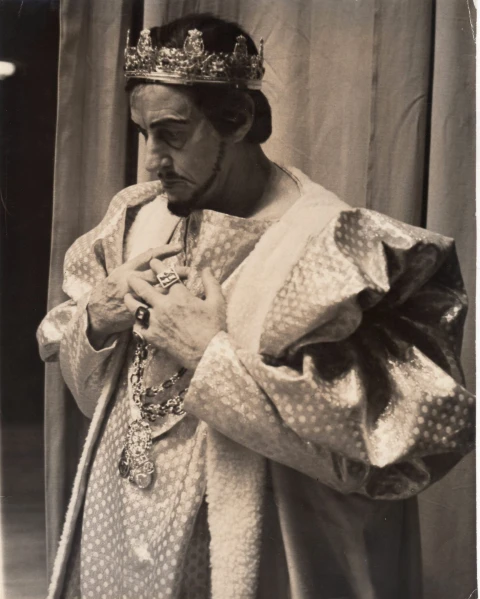
An internationally renowned dancer and choreographer, he served as a guest choreographer and performer for SBRI, most notably in the 1964 production of Giselle. His involvement brought prestige and valuable expertise to the young company, exposing its dancers and audiences to world-class talent.
Oskar Harmos
1911 - 1992
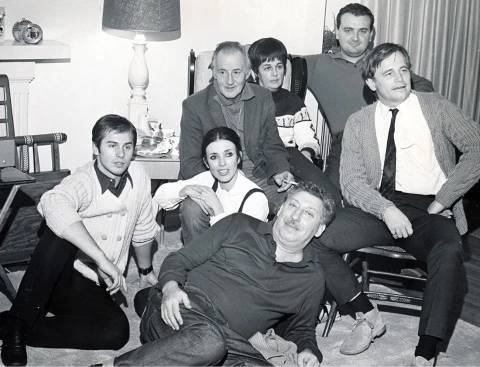
A Croatian choreographer and dancer, he also made a significant contribution by assisting The State Ballet of Rhode Island in staging the first American production of his ballet "Stranger" in 1968.
Ana Marsden Fox
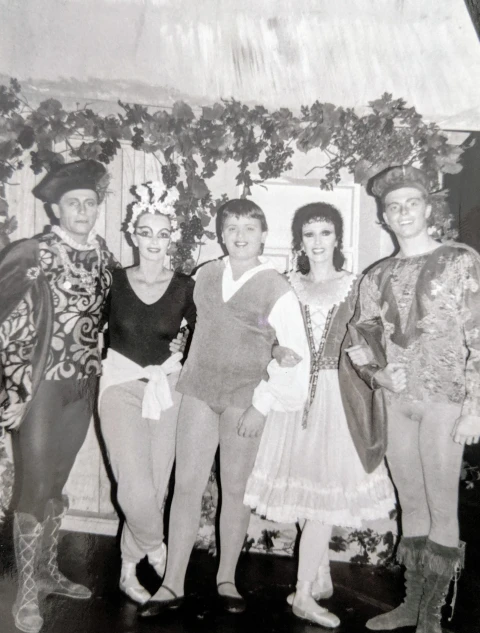
A daughter of founders Herci and Myles Marsden, Ana began her training at Brae Crest School at age two and rose to principal dancer with SBRI, later studying at the Royal Ballet School in London and dancing Grahn in the first Rhode Island performance of Pas de Quatre in 1978 under her godfather Sir Anton Dolin. An award-winning choreographer of numerous ballets for the company, she serves today as SBRI’s Executive Director and Resident Choreographer.